Korean traditional clothing and its significance

Introduction

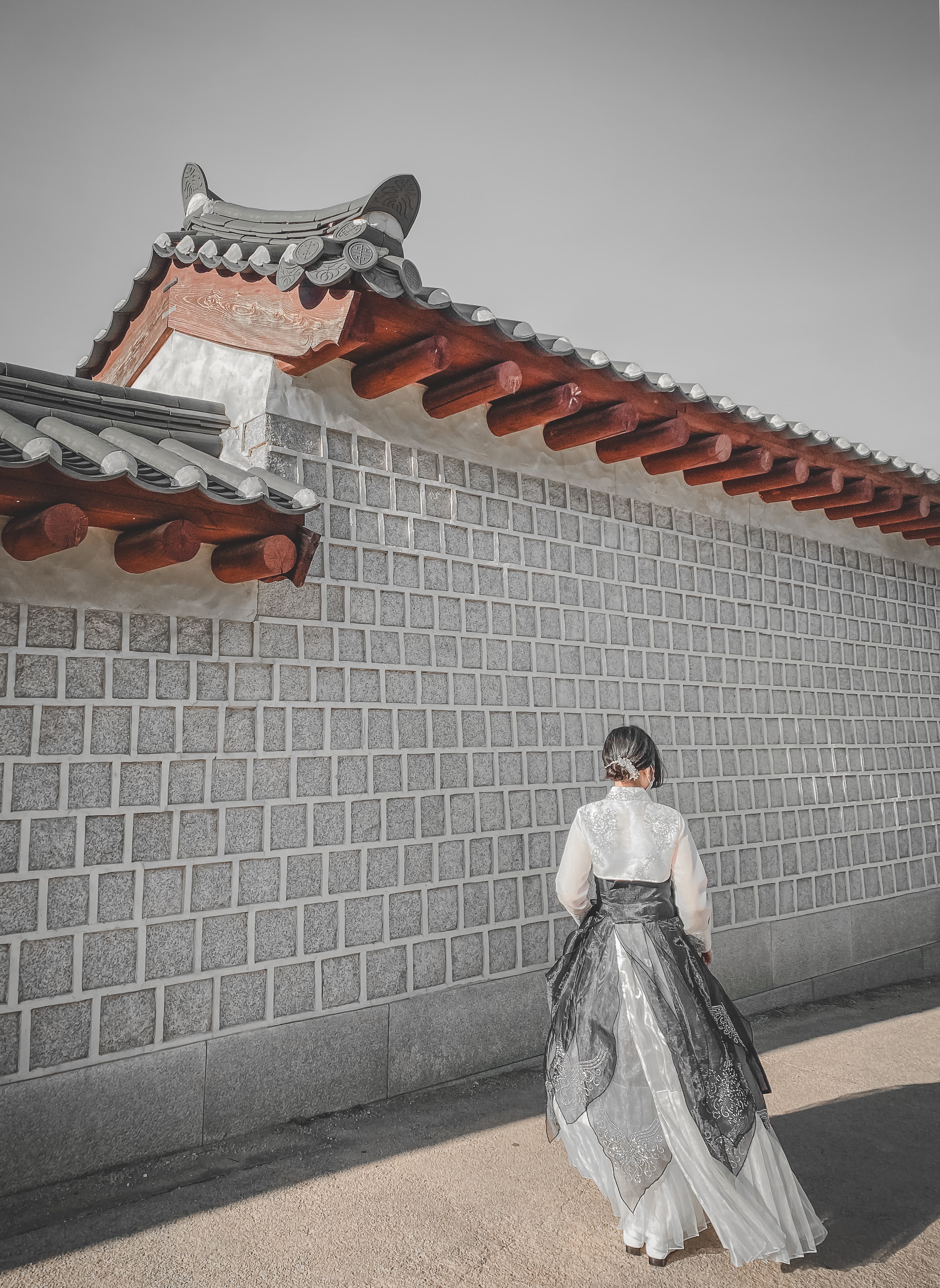
Korean traditional clothing, also known as hanbok, is a beautiful and important part of the country's cultural heritage. It is worn on special occasions such as weddings, traditional holidays, and ceremonies. In this article, we will explore the history, design, and significance of hanbok and how it is worn in modern times.

History of Hanbok

Hanbok has a long history dating back to the Three Kingdoms period (57 BC-668 AD). It has undergone many changes over the centuries, influenced by Confucianism, Buddhism, and other cultural influences. The traditional hanbok consists of a long, flowing top called a jeogori and a wide, wrap-around skirt called a chima. The outfit is completed with a variety of accessories such as a belt, headbands and jewelry.

Design and Symbolism

Hanbok is designed to be comfortable and practical. The clothing is made from natural fibers such as silk and cotton, and the colors and patterns used have specific meanings. The color red, for example, is considered auspicious and is often worn at weddings and other special occasions. The color blue symbolizes the sky and the color black is a symbol of authority. The use of different colors and patterns has a symbolic meaning and represent different things like social status, season, and occasion.

Modern Hanbok

In modern times, hanbok is worn less frequently in daily life, but it is still worn on special occasions such as traditional holidays and ceremonies. Many people also wear hanbok to visit palaces, museums, and other cultural sites. Furthermore, in recent years, hanbok has been revitalized and reinterpreted by young designers, who combine traditional elements with modern styles and fabrics.

Conclusion

In conclusion, hanbok is a beautiful and important part of Korean cultural heritage. It has a rich history, and its design and symbolism reflect the cultural values of the society. Although it is worn less frequently in daily life, it is still worn on special occasions and its popularity is increasing in the new generations. Understanding and appreciating hanbok can help foreigners gain a deeper understanding of Korean culture and its customs.

Understanding Korean meal customs

Introduction

Korean cuisine is known for its bold flavors and unique dishes, but there's more to Korean meal customs than just the food itself. In this article, we'll explore some of the most important customs and etiquette to be aware of when dining in Korea.

Sharing and Communal Eating

Korean meals are typically served family-style, with a variety of dishes that are shared among everyone at the table. This custom is a reflection of the culture's emphasis on community and sharing. It's considered polite to try a little bit of everything and to help others with their plates.

Respect for Elders

Respect for elders is a fundamental aspect of Korean culture, and this extends to mealtime as well. The eldest person at the table is typically served first and is expected to lead the conversation. It's also considered polite to wait for the eldest person to start eating before beginning yourself.

Table Manners

Korean table manners are a reflection of the culture's emphasis on respect and humility. It's considered impolite to speak with your mouth full or to slurp your soup. Using the spoon and chopsticks provided is also considered polite. Additionally, it's considered impolite to stick your chopsticks upright in your bowl, as it's associated with death and funerals.

Soup and Rice

Soup and rice are staples of the Korean diet, and they are typically served at every meal. It's considered polite to eat a small amount of rice with every bite of food, and to finish all the rice and soup on your plate. This custom is a reflection of the culture's emphasis on not wasting food.

Drinking

Drinking is an important part of Korean culture, and it's not uncommon for alcohol to be served at meals. It's considered impolite to refuse a drink and to not hold your glass with two hands when receiving a drink. Additionally, it's considered impolite to fill your own glass, and it's customary to refill the glasses of others.

Conclusion

In conclusion, Korean meal customs are a reflection of the culture's emphasis on community, respect, and humility. Understanding and respecting these customs can help foreigners navigate and appreciate the culture. Remember to be aware of sharing and communal eating, respect for elders, table manners, soup and rice, and drinking customs, and you'll be well on your way to understanding and respecting Korean meal customs.

Navigating Korean manners and etiquette

Introduction

Korea is a country with a rich cultural heritage and its own unique set of manners and etiquette. Understanding and respecting these customs can be a bit overwhelming for foreigners. In this article, we will explore some of the most important manners and etiquette to be aware of when navigating Korean society.

Bowing

Bowing is one of the most important aspects of Korean manners and etiquette. It is a sign of respect and is used as a form of greeting, apology, and gratitude. The depth of the bow and the duration of the bow depend on the level of respect and the relationship with the person being bowed to. For example, a deep bow would be used when meeting a senior business colleague, while a slight bow would be used when meeting a friend.

Physical contact

Physical contact is generally avoided in Korea, particularly in formal settings. It's important to avoid physical contact such as patting someone on the back or shaking hands as it is considered impolite. Instead, a slight bow is the appropriate way to greet someone. Additionally, it's important to avoid standing too close to someone as it is considered rude to invade their personal space.

Respect for elders

Respect for elders is a fundamental aspect of Korean culture. The elderly are respected for their wisdom and experience and are treated with deference. It's considered polite to address older people with formal titles such as "Mr." or "Mrs." and to give up your seat for them on public transportation.

Table manners

Korean table manners are a reflection of the culture's emphasis on respect and humility. Food is typically served family-style, and it is considered polite to wait for the eldest person at the table to begin eating before starting yourself. It's also important to use the spoon and chopsticks provided, and to not stick your chopsticks upright in your bowl, as it is considered rude.

Conclusion

In conclusion, manners and etiquette play a crucial role in Korean culture. By understanding and respecting these customs, foreigners can better navigate and appreciate the culture. Remember to be aware of bowing, physical contact, respect for elders, and table manners, and you'll be well on your way to understanding and respecting Korean culture.

The importance of age in Korean culture


Introduction

Age is a crucial aspect of Korean culture, and understanding its significance can help foreigners navigate and appreciate various aspects of the culture. In this article, we will explore the importance of age in various aspects of Korean culture, including social interactions, business, and family.

Respect for elders

In Korean culture, respect for elders is deeply ingrained in the society. From a young age, Koreans are taught to show respect to those who are older than them through gestures such as bowing and using formal speech. This respect is not limited to one's own family but extends to older people in the community as well. In social settings, it is customary for the oldest person in the room to be served first and to lead conversations.

In the workplace, respect for elders is also evident. Age is often used as a factor in determining hierarchy in the office, with older employees being held in higher regard. This can be seen in the way that older employees are often given more responsibilities and are deferred to in decision-making.

The role of age in family

Age also plays a significant role in family dynamics in Korea. The eldest son is expected to take on responsibilities such as taking care of his parents and leading the family. In traditional families, the eldest son inherited the family's business or farm and was responsible for maintaining the family's wealth and well-being.

Additionally, there are traditional rituals and ceremonies that are unique to specific ages. For example, there is a traditional rite of passage called sebae, which is a formal bow that young men perform to their elders on their 20th birthday. This ritual symbolizes their transition into adulthood and their acceptance of responsibilities.

Conclusion

In conclusion, age is a central aspect of Korean culture and is reflected in various aspects of social interactions, business, and family dynamics. Understanding and respecting the importance of age can help foreigners navigate and appreciate the culture. It is also a reminder that age is not just a number in Korea, but a symbol of respect, responsibility and tradition.


Korean holidays and traditional celebrations


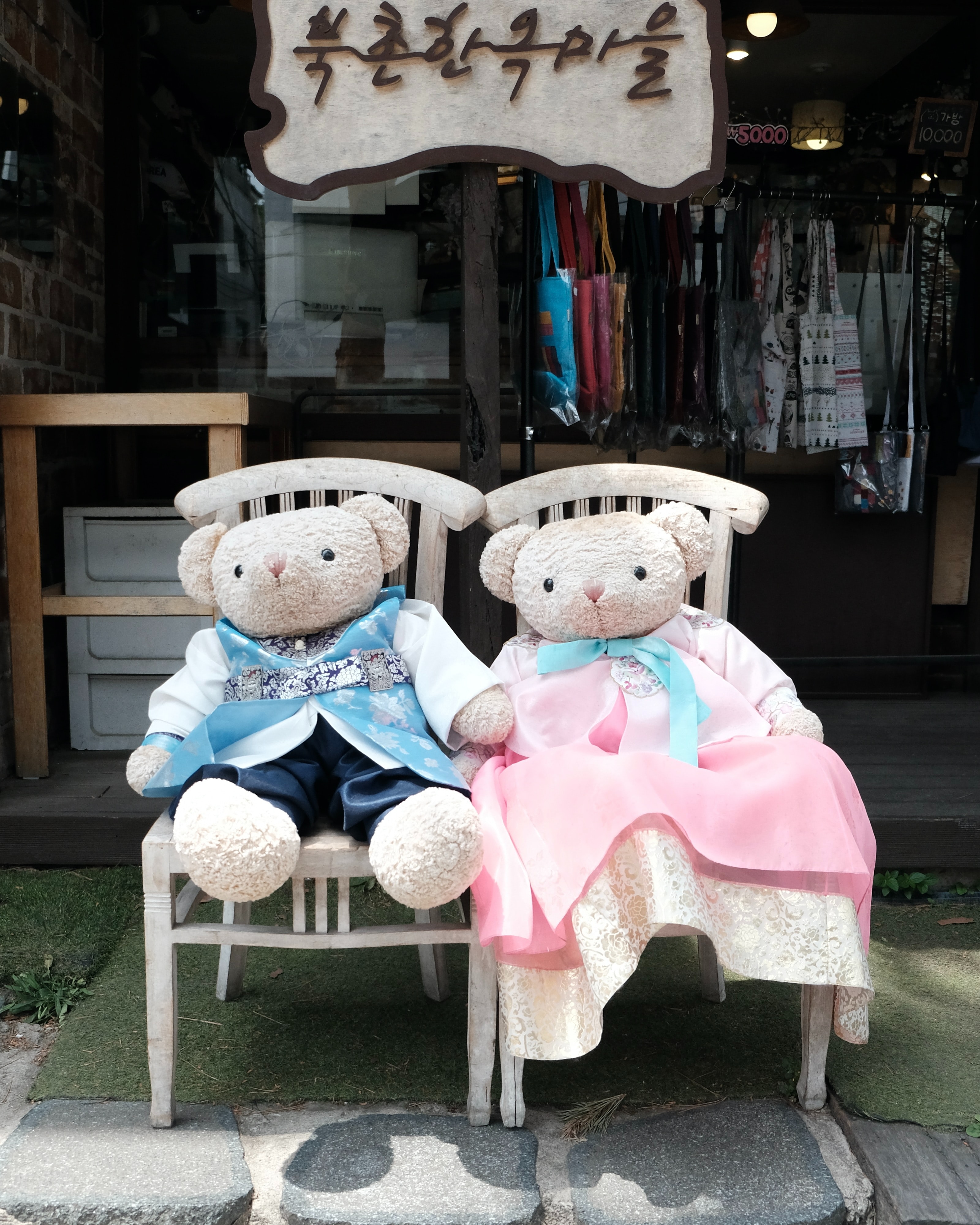
bears in Hanbok which is Korean traditional cloth


An introduction to the cultural customs of Korea through the lens of important holidays and celebrations, including Lunar New Year and Chuseok, providing insight into the country's rich heritage and helping foreigners better integrate into society.


Introduction

Korea is a country rich in culture and tradition, and one of the most interesting aspects of that culture is its holidays and traditional celebrations.


Lunar New Year (Seollal)

One of the most well-known Korean holidays is Lunar New Year, also known as Seollal. This holiday is celebrated on the first day of the lunar calendar and is a time for families to come together and celebrate. Many Koreans return to their hometowns to be with their families and participate in traditional activities such as playing folk games, eating traditional food, and performing ancestral rituals.


Chuseok: The Harvest Festival

Another popular holiday is Chuseok, which is a harvest festival celebrated on the 15th day of the 8th lunar month. This holiday is also a time for families to gather and give thanks for the bountiful harvest. It's a time for people to visit the graves of their ancestors and pay their respects, and for families to prepare and enjoy traditional foods such as songpyeon (a type of rice cake) and bulgogi (marinated beef).


Independence Day

Another important holiday is Korea's Independence Day, celebrated on August 15th. This day marks the end of Japanese colonial rule in 1945 and the establishment of the Republic of Korea. Many people participate in patriotic events such as parades and speeches to celebrate their country's independence.


Korean New Year (Solnal)

Finally, the Korean New Year, also known as Solnal, is celebrated on January 1st. It is a time for people to reflect on the past year and make resolutions for the new one. Families gather to share a meal and exchange gifts and people also visit temples for a traditional "Buddhist service" that is performed for good luck in the new year.


Conclusion

These are just a few examples of the many holidays and traditional celebrations that take place in Korea. By understanding and respecting these customs, foreigners can better integrate into Korean society and gain a deeper appreciation for the country's rich cultural heritage.

간단 레시피 / 사리곰탕 육개장 초간단 육개장 캠핑장 육개장 해장라면


배달음식과 편의점 음식에 질려가던 어느 날 발견하게 된 초간단 육개장 레피시를 소개합니다. 유튜브 세계에서는 나름 유명한 레시피인 것 같더라구요. 집밥으로 해먹었던 것 중에 세 손가락에 꼽히는 아주아주 간단하지만 맛은 간단하지 않은 육개장입니다. 술 마신 다음날이나 캠핑장에서 간단하게 해먹을 수 있는 좋은 레시피인 것 같아요. 그럼 시작해 보겠습니다.


재료

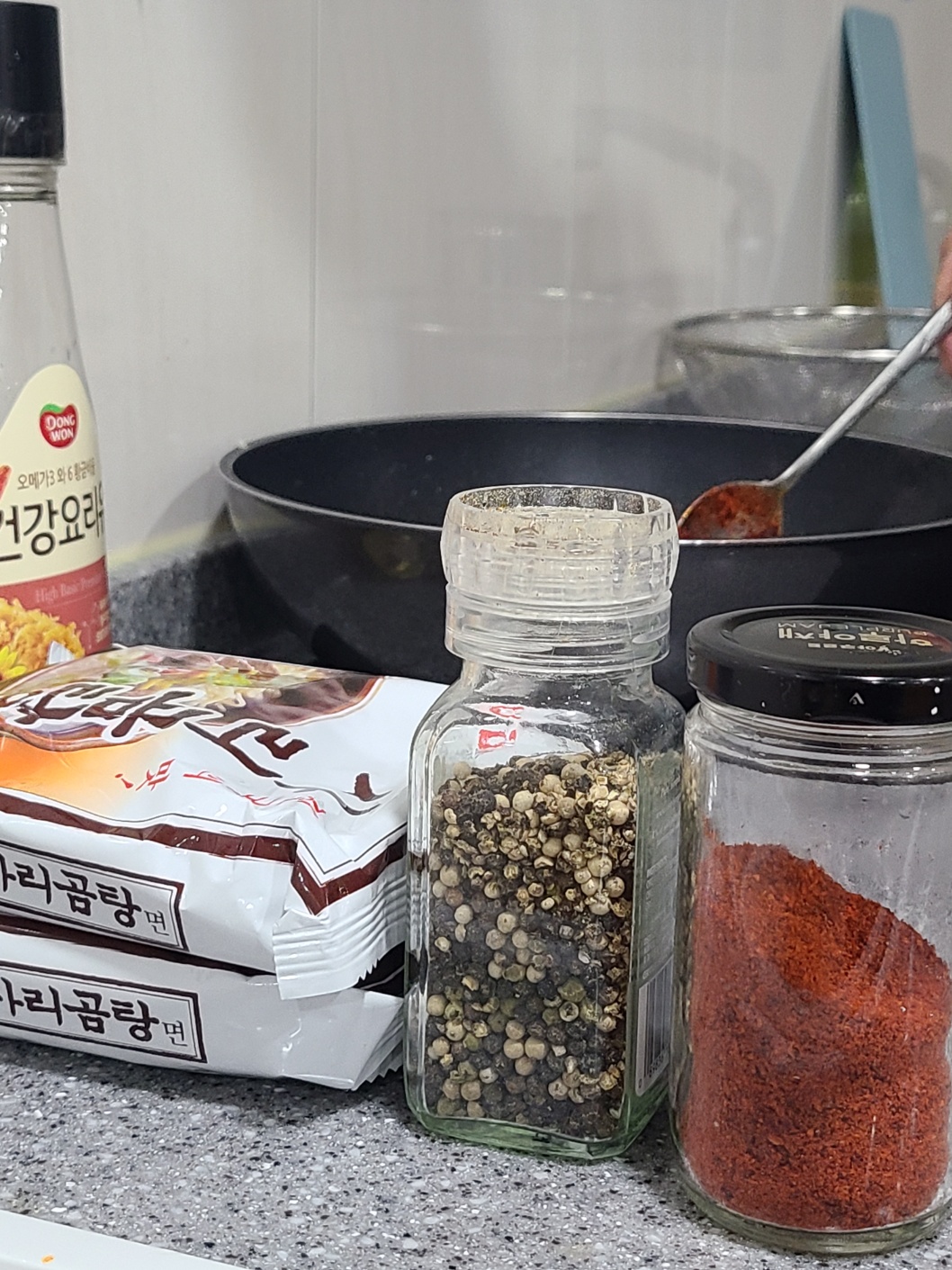
사리곰탕면, 대파(1-2개), 식용유, 고춧가루, 후추(있으면 더 좋음)


간단 레시피

1. 팬에 식용유를 두르고 자른 대파를 넣어 파기름을 만들어 줍니다

2. 고춧가루(2스푼)를 추가해 볶아줍니다

3. 2에 물, 라면스프를 넣고 끓여줍니다

4. 3에 면을 넣고 다 익으면 후추를 뿌려 마무리 합니다


조리과정


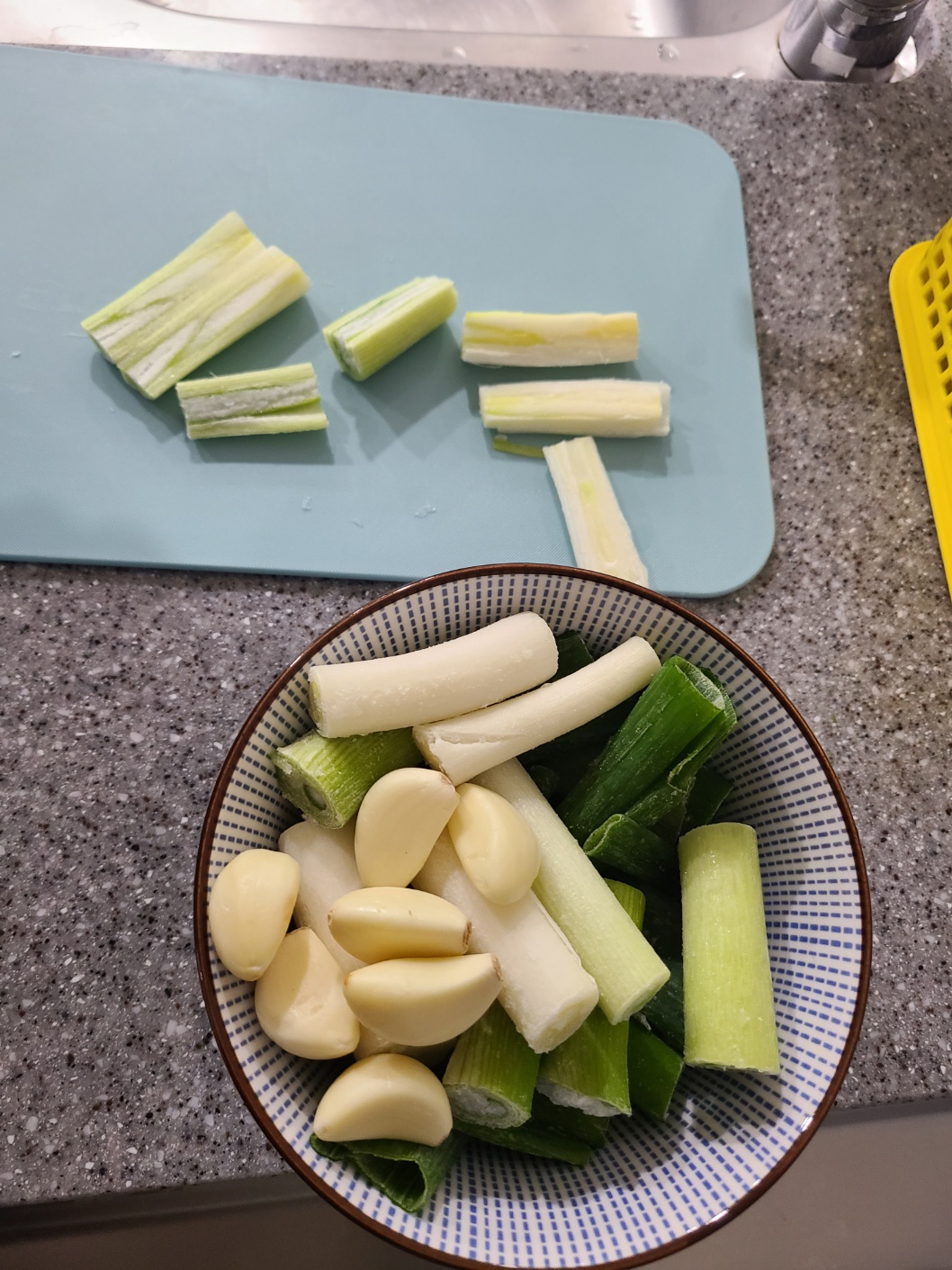
파를 적당한 크기로 잘라줍니다. 마늘은 잘게 다져서 넣어줬는데 없어도 무방합니다 그냥 있길래 넣어봤어요.


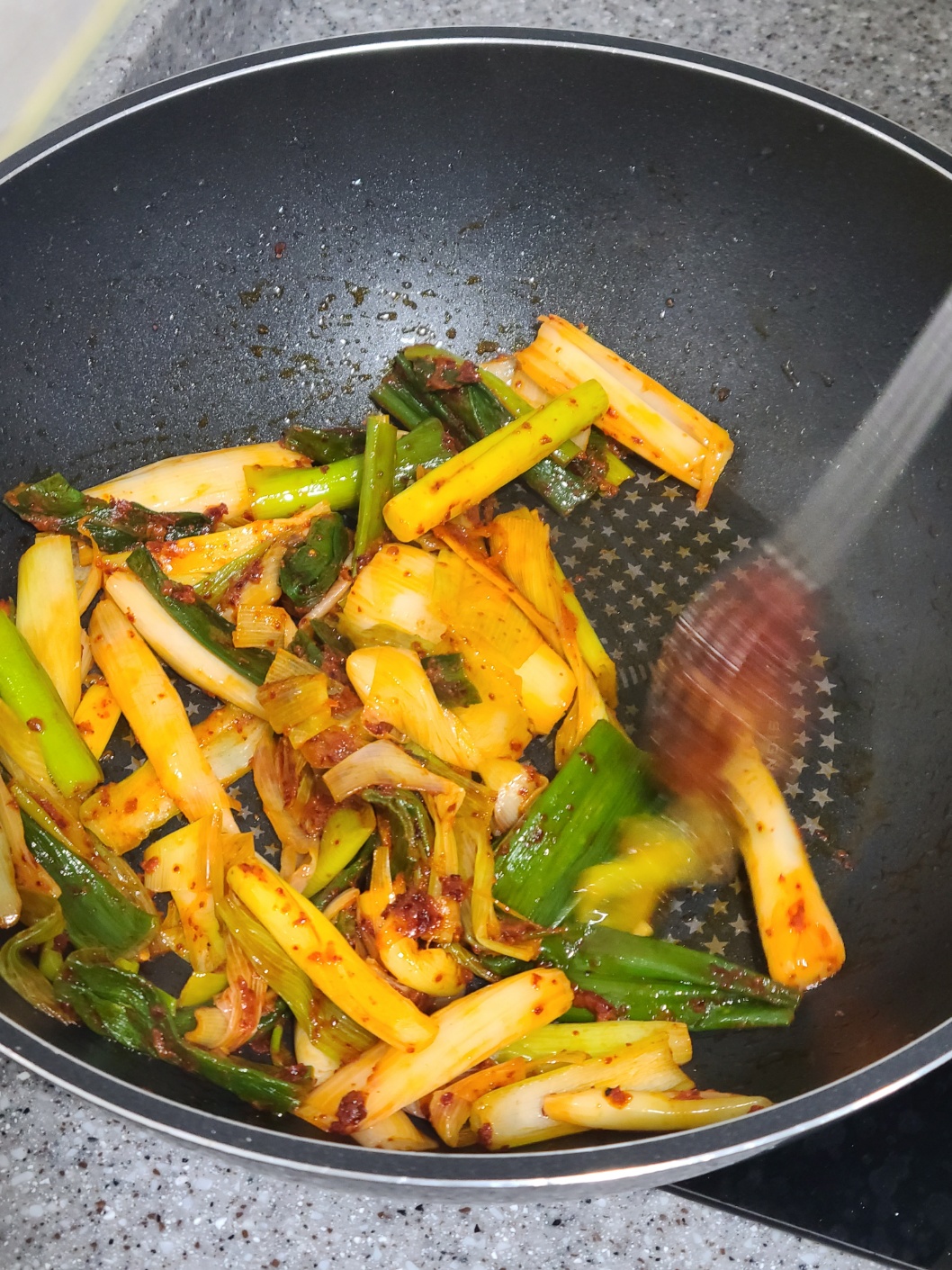
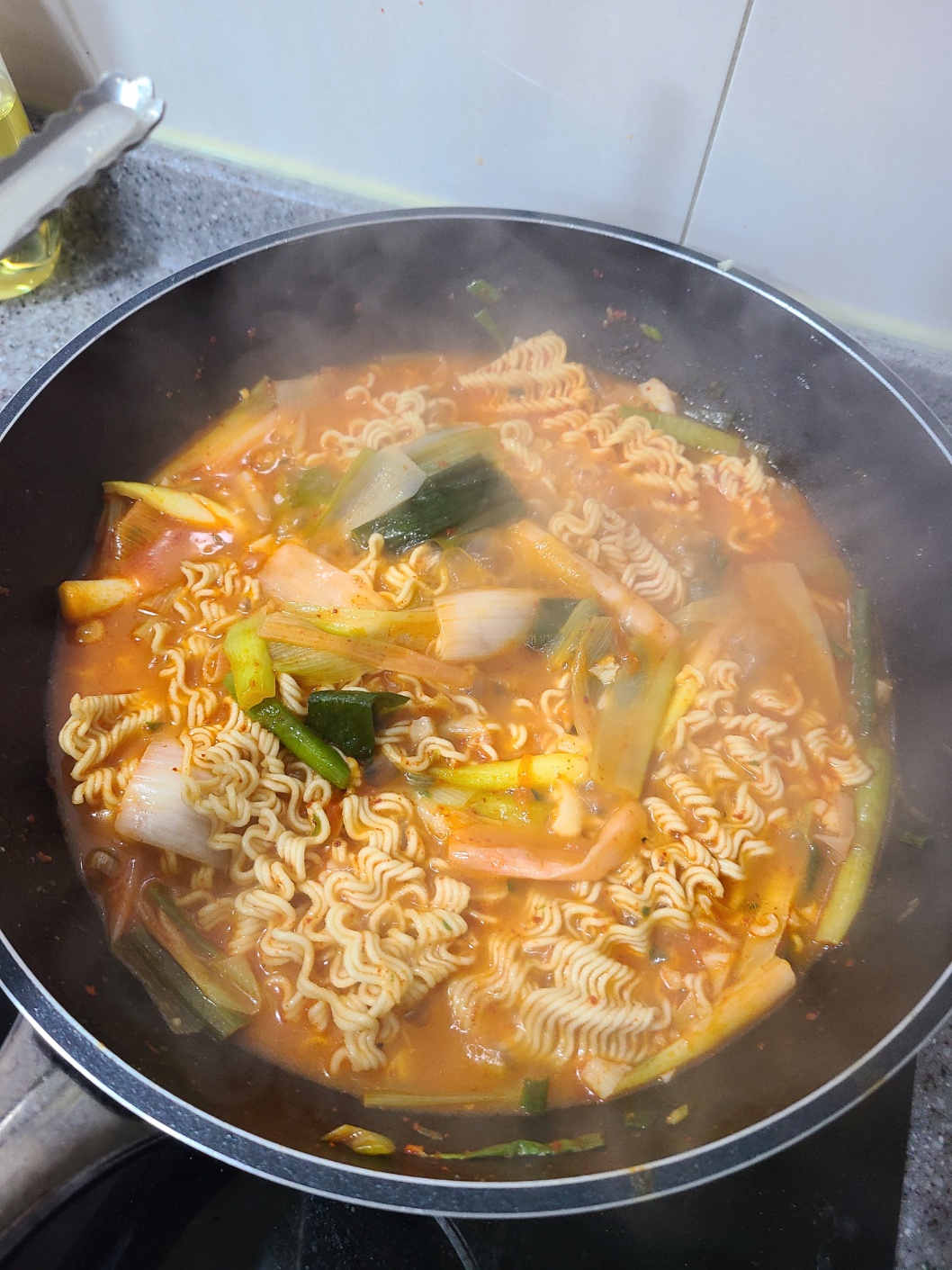
팬에 식용유를 뿌리고 파를 볶아 파기름을 내주고 파기름 냄새가 올라오면 고춧가루를 2스푼 가량 넣어줍니다. 고춧가루 양은 기초에 따라 적게도 많이도 가능합니다.


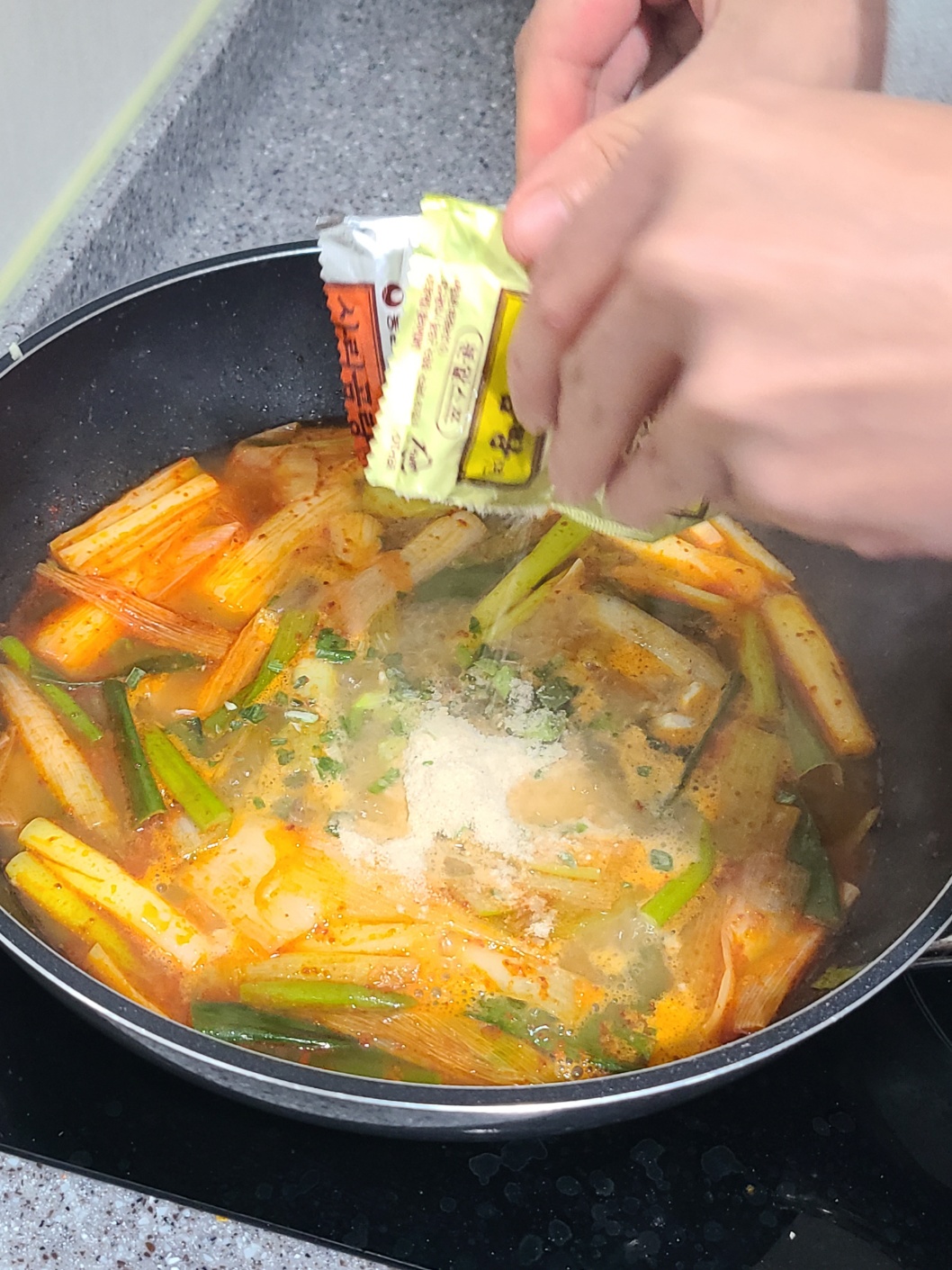
물과 마법의 가루들을 팬에 투하해 주세요


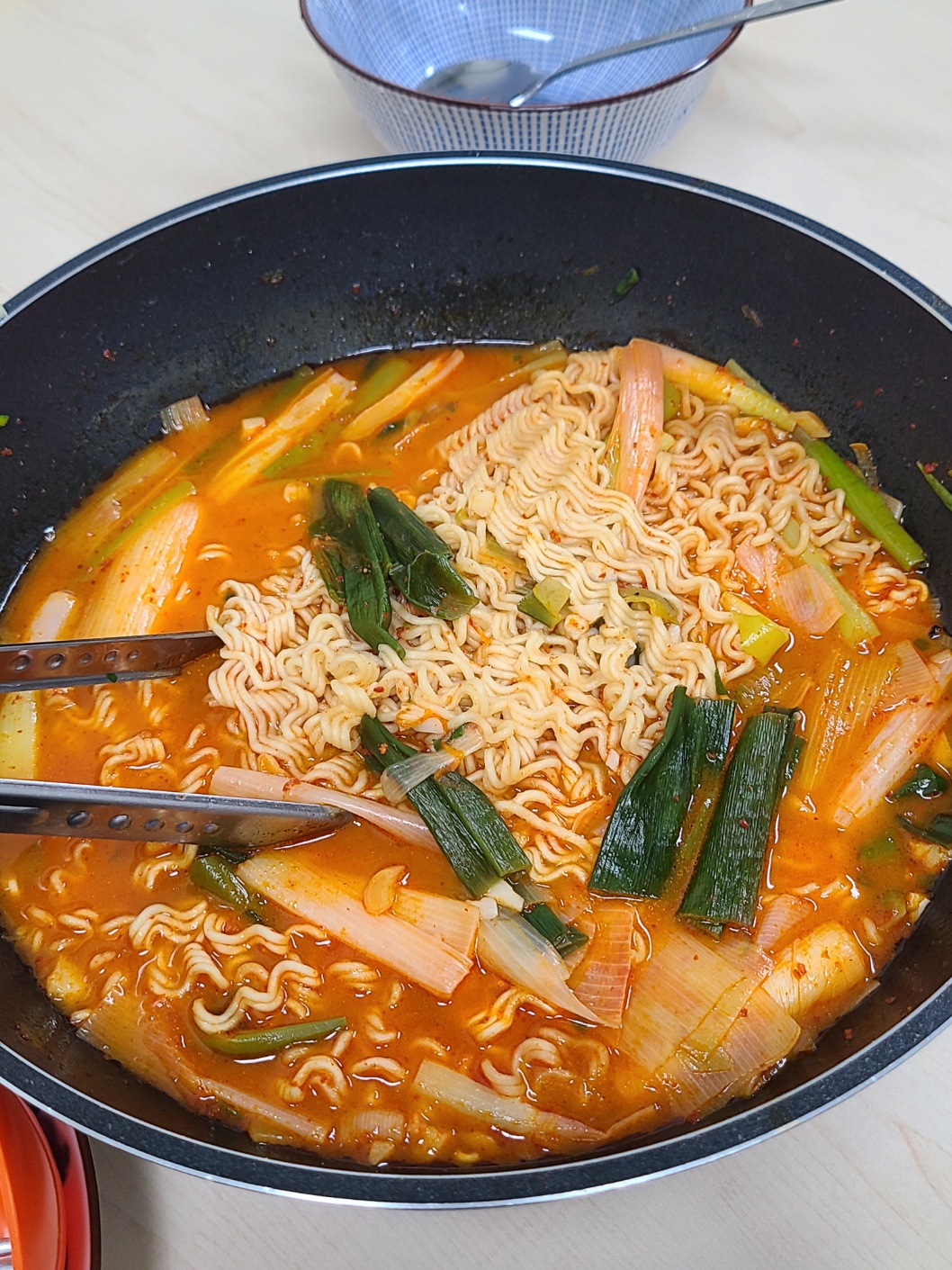
라면을 넣고 같이 팔팔 끓이고 다 익었다 싶으면 후추를 살짝 뿌리고 마무리 해주세요


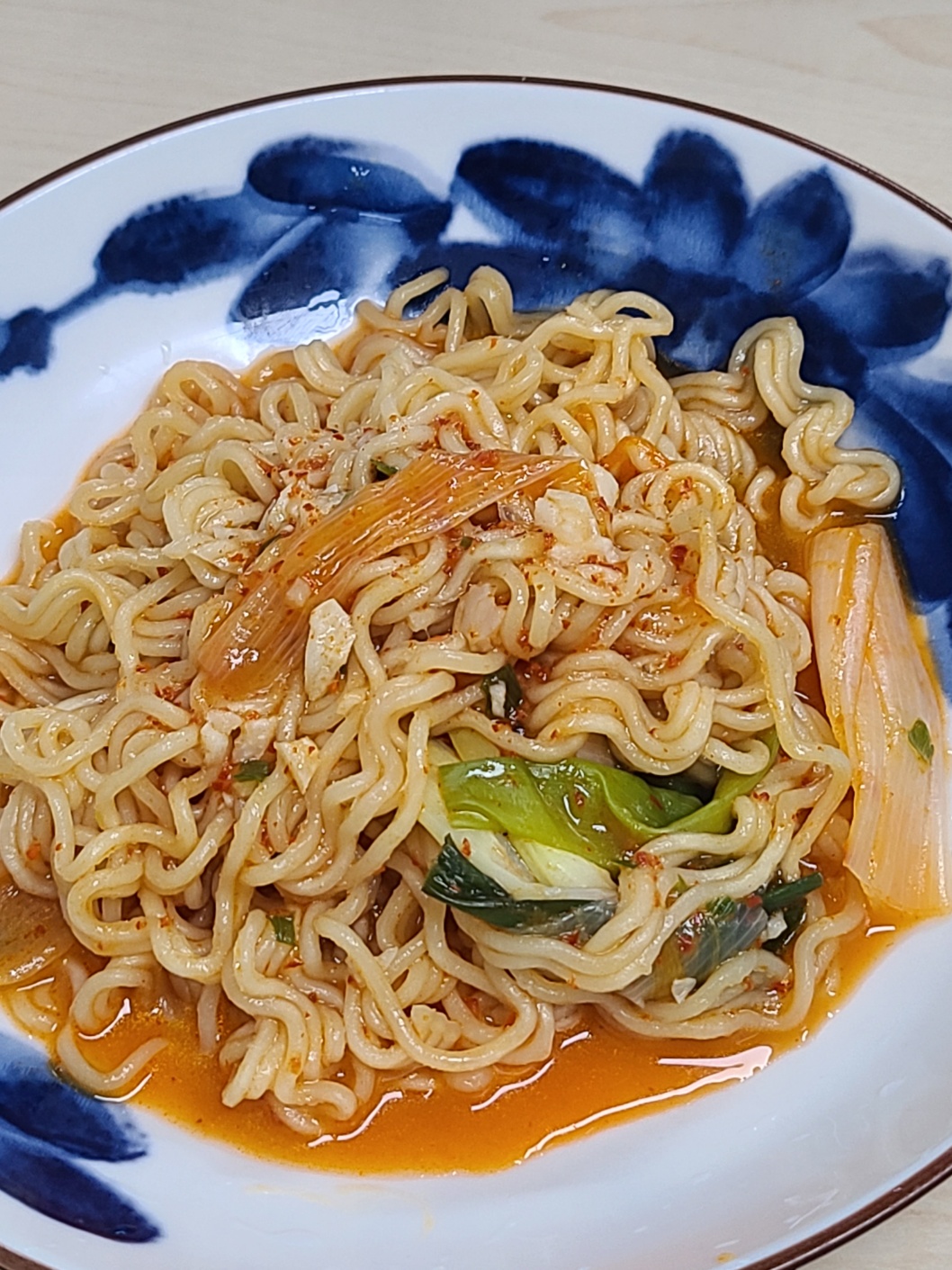
타다-! 완성되었습니다

참 쉽쥬?


달걀을 풀어 넣었다면 조금 더 풍성한 비주얼이 되었겠죠? 라면을 다 먹고 남은 국물에 밥을 말아 먹으니 더욱 육개장스러웠습니다. 면이 싫으신 분들은 국만 끓여서 밥과 먹어도 훌륭할 것 같네요. 캠핑 가서 술 마신 다음날 해장으로도 아주 좋을 것 같습니다. 이렇게 적은 재료로 훌륭한 맛을 낼 수 있다니 역시 대기업은 우리를 실망시키지 않네요..!! 그저 그런 배달 음식이 질렸다면~ 오늘 사리곰탕 육개장 어떠신가요?


진작 했어야 했는데 영어 표현


스트레스 받지 않고 공부하기 오늘도 시작해 봅니다


I just bought a new air-purifier. i’ve neber owned one before. I probably should’ve gotten one a long time ago but better late than never, right? anyway, it hasn’t arrived yet. i’m still waiting for it to be delivered. according to the website, it should be arriving in the next couple of days.


아마 진작 했어야 했는데

-> probably should've + 동사 pp 

-> I probably should've gotten one a long time ago


지금이라도 한 게 낫지 (안 한 것보다 늦는 게 낫지)

-> better late than never

-> better late than never, right?


웹사이트에 따르면 ...할 거래(할 예정이야)

-> according to the website, it should be 

-> according to the website, it should be arriving in the next couple of days


평소에 자주 쓰는 문장인데 익숙하지가 않다

반성하고 또 열심히 외워봐야겠다


아 제가 일이 생겨서요 영어 표현


아 제가 일이 생겨서요(그래서 회식 못 가요)

-> Something came up.


최근에 일이 좀 많았어

-> A lot has happened recently.


영상이 끊기네

-> the stream is lagging.

today's expression on live stream

1. there's too much traffic. i wish there wasn't so much traffic. then it wouldn't take so long to get to work everyday.

2. there isn't enough parking space. it's so inconvenient. i wish there was more parking space. then it wouldn't be so inconvenient. then it would be much more convenient.

3. my girlfriend lives far away from me. i wish she lived closer. then it would be much better.

4. i don't have enough dishes. i wish i had more dishes. then i wouldn't have to do the dishes so often.

5. there're too many people like that. i wish there weren't so many people like that. then things like that wouldn't happen so often.

6. there're so many stray cats in my neighborhood. i feel so bad for them. i wish there weren't so many stray cats in my neighborhood. then i wouldn't have to feel so bad for them. 


'오늘 한 문장' 카테고리의 다른 글

진작 했어야 했는데 영어 표현  (2) 2023.01.12
그랬으면, 이랬을 텐데 영어 표현  (0) 2022.12.27
제일 화나게 하는 것은  (0) 2022.10.10

+ Recent posts